The History of the AkwaCross Peoples
Discover the rich histories, diverse cultures, and enduring traditions of Akwa Ibom and Cross River, two neighbouring states in southeastern Nigeria whose peoples share deep regional connections.
Two States. Many Peoples. A Shared Connection.
AkwaCross is the shared community identity used by the AkwaCross Toronto Cultural Association to connect people with roots in Akwa Ibom and Cross River states.
It brings together neighbours, relatives, and communities across a modern state boundary while recognizing their distinct ethnic identities, languages, and traditions.
Akwa Ibom
Capital: Uyo
Known for its coastal landscapes, rich cultural traditions, fishing, farming, commerce, and petroleum and gas industries.
Cross River
Capital: Calabar
Home to diverse communities, historic cultural landmarks, forest landscapes, agricultural activities, and important tourism destinations.
A History That Spans Generations
The history of the AkwaCross peoples reaches far beyond modern state boundaries. It reflects centuries of community life, cultural development, trade, colonial rule, conflict, and change.
Before European Contact
Communities across the region developed distinct traditions, systems of authority, artistic practices, and trading networks. The carved Akwanshi stone monoliths of the Cross River region remain an important part of this historical heritage.
The Atlantic Trading Era
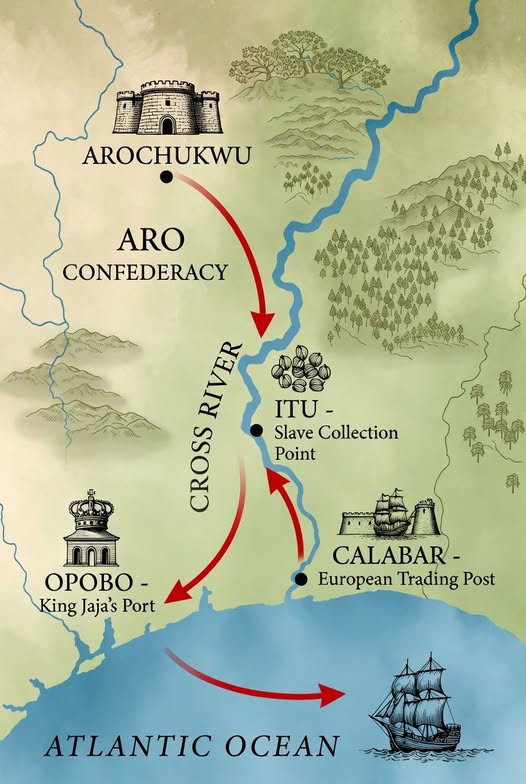
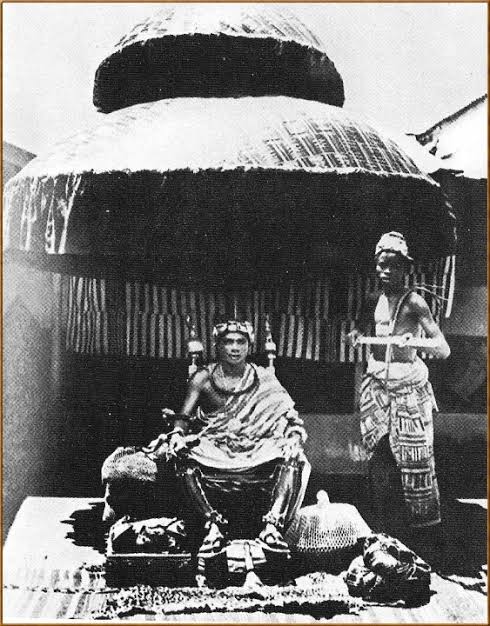
Old Calabar became a major Atlantic trading port. This period also involved the violent trafficking of enslaved people, separating families and communities and connecting the region to the wider African diaspora.
Colonial Rule and Independence
British colonial rule reshaped administration and trade. Nigeria gained independence in 1960, while the state boundaries recognized today emerged later.
The Nigeria–Biafra War
Between 1967 and 1970, the war affected families and communities across the former Eastern Region, including areas now known as Akwa Ibom and Cross River. Its civilian suffering and displacement remain an important part of regional memory.
The Formation of Two States
Cross River State was formed under that name in 1976. On September 23, 1987, Akwa Ibom State was created from Cross River State.
Our history is complex and diverse. Understanding it means recognizing both the achievements of our communities and the difficult experiences that have shaped them
Our People. Our Languages. Our Identity.
AkwaCross brings together communities with distinct identities and rich linguistic traditions.
In Akwa Ibom
Ibibio, Anaang (Annang), Oro (Oron), Efik, and other communities.
In Cross River
Efik, Ejagham, Boki, Yakurr, Bekwarra, and many others.
Languages carry more than words. They preserve family histories, ancestral knowledge, songs, names, and ways of understanding the world.
Although political boundaries separate the two states today, cultural and linguistic connections extend across the region.
Every community has its own story, and every story deserves to be represented with care and respect.
Culture That Lives Through Akwa Ibom,Cross River

Traditions and Celebrations
Marriage customs and family ceremonies vary across communities, generations, and religious traditions. Family introductions, gifts, food, music, dress, and public celebrations may all play a role in different customary practices.
Storytelling and Performance
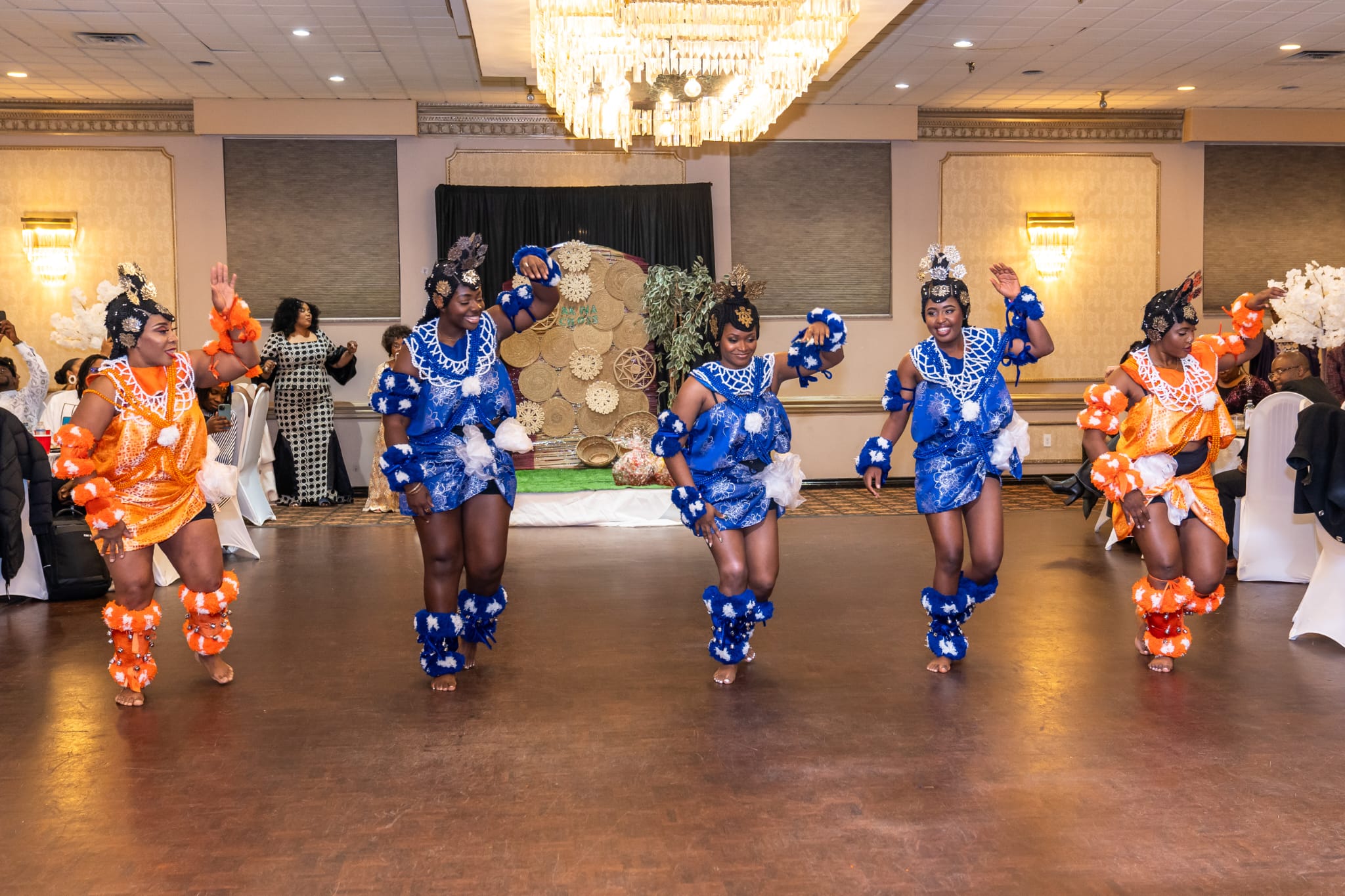
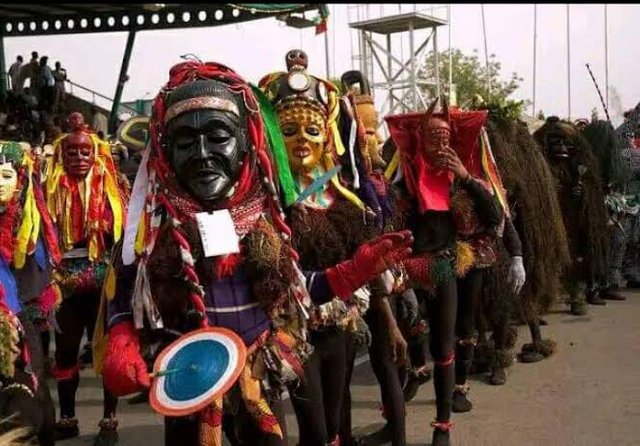
Stories shared by elders, masquerade traditions, music, dance, and artistic expression help preserve community knowledge and connect younger generations to their roots.
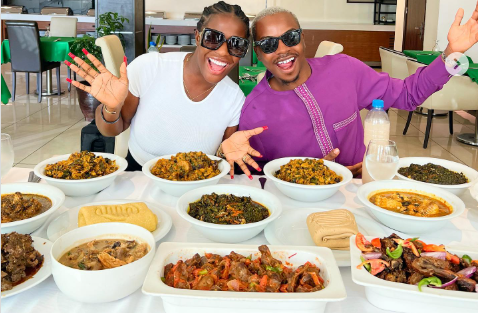
Food and Culinary Heritage
Dishes such as afang and edikang ikong reflect the region’s rich food traditions. Recipes, ingredients, and preparation methods can vary between families and communities, making food an important expression of local identity.
Art and Cultural Heritage
The Akwanshi or Atal stone monoliths and the Nsibidi visual knowledge tradition offer important connections to the region’s artistic and cultural past. These traditions deserve to be understood in their community contexts.
Our heritage is diverse, evolving, and carried forward by the people who continue to practise and share it.
Beyond History: A Region of Natural and Cultural Richness
Akwa Ibom and Cross River are home to distinctive landscapes, historic places, and natural environments.
Explore Akwa Ibom
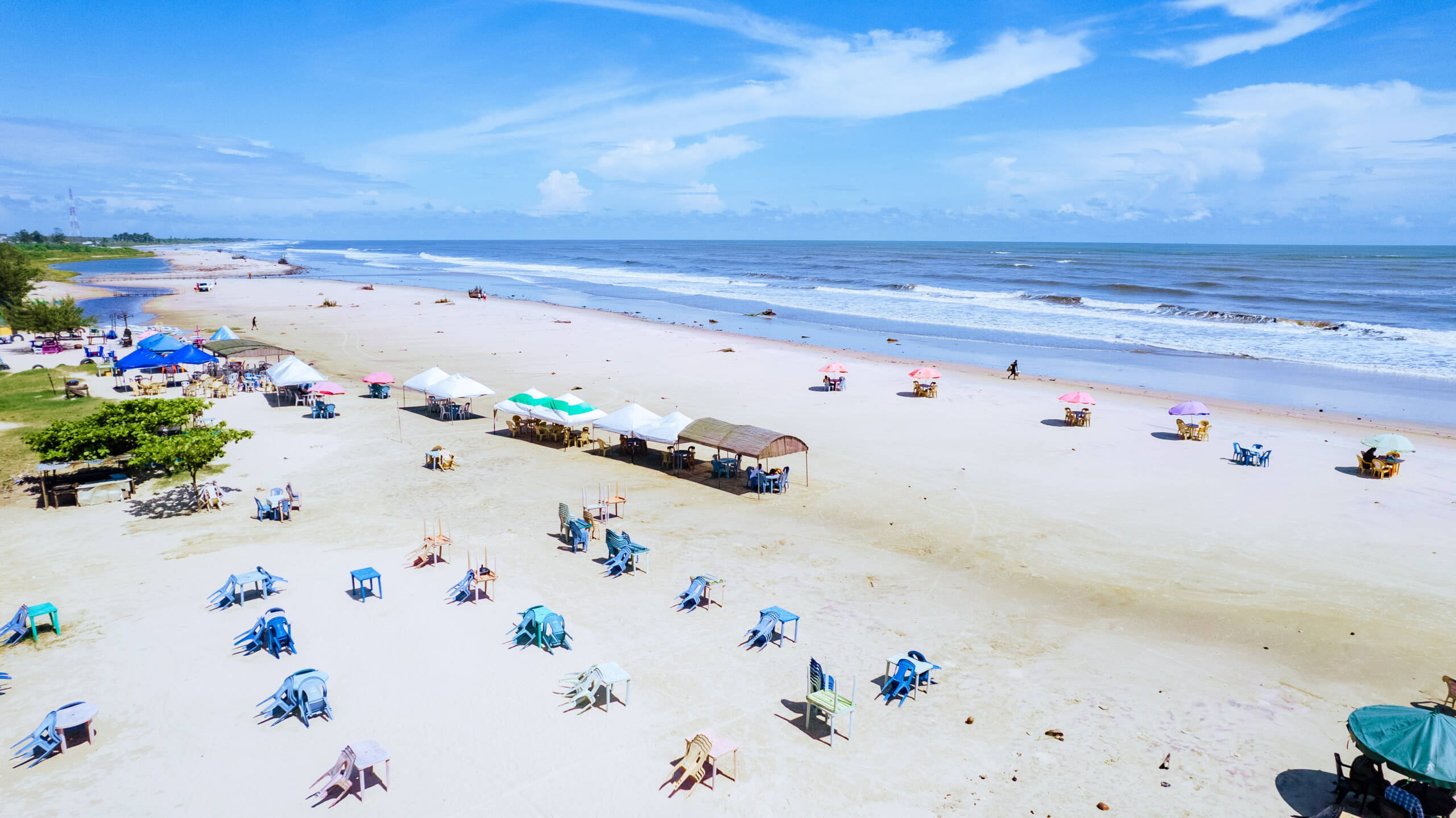
Ibeno Beach

The historic Ikot Abasi area
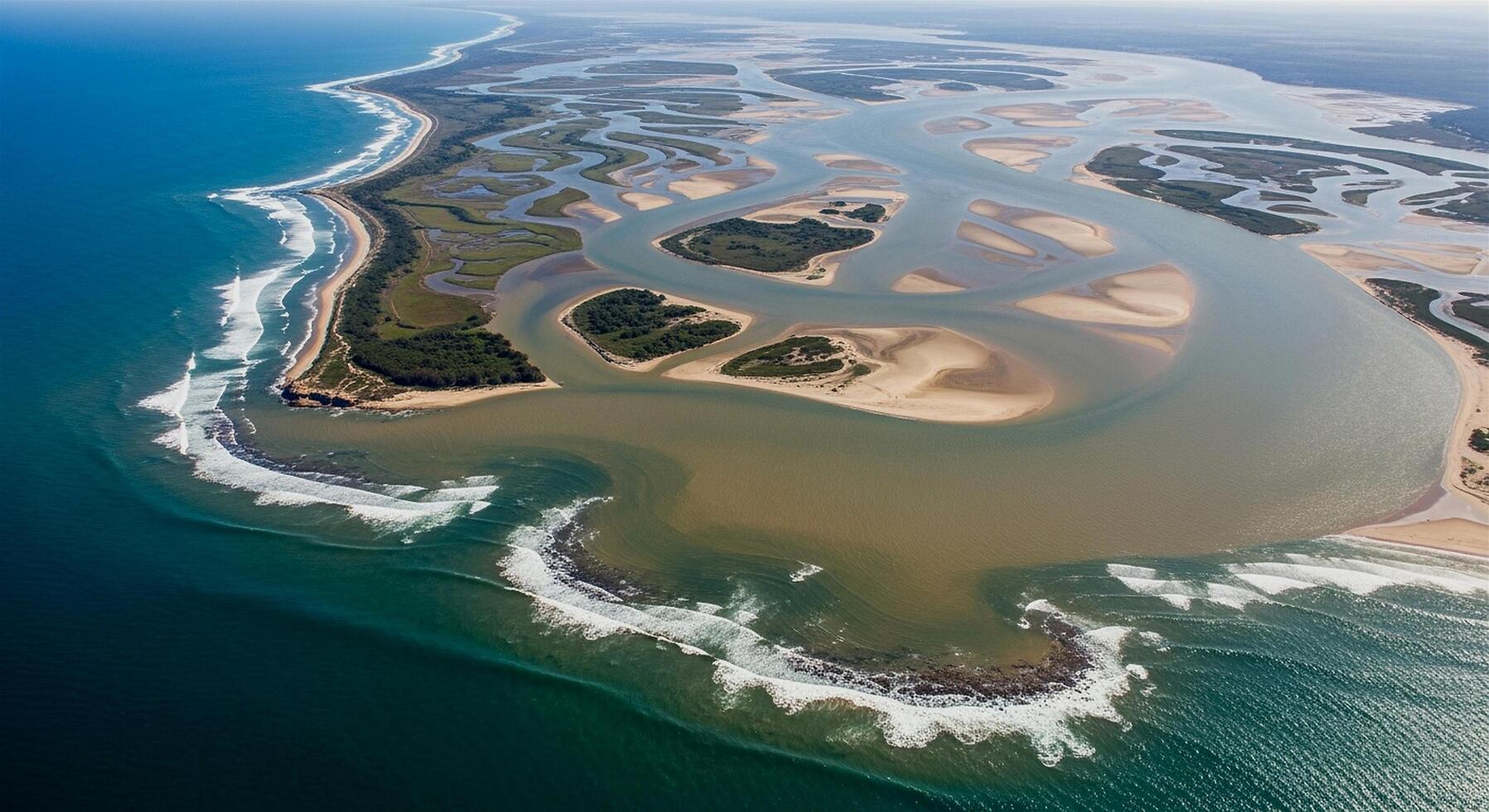
Coastal and estuary landscapes
Explore Cross River
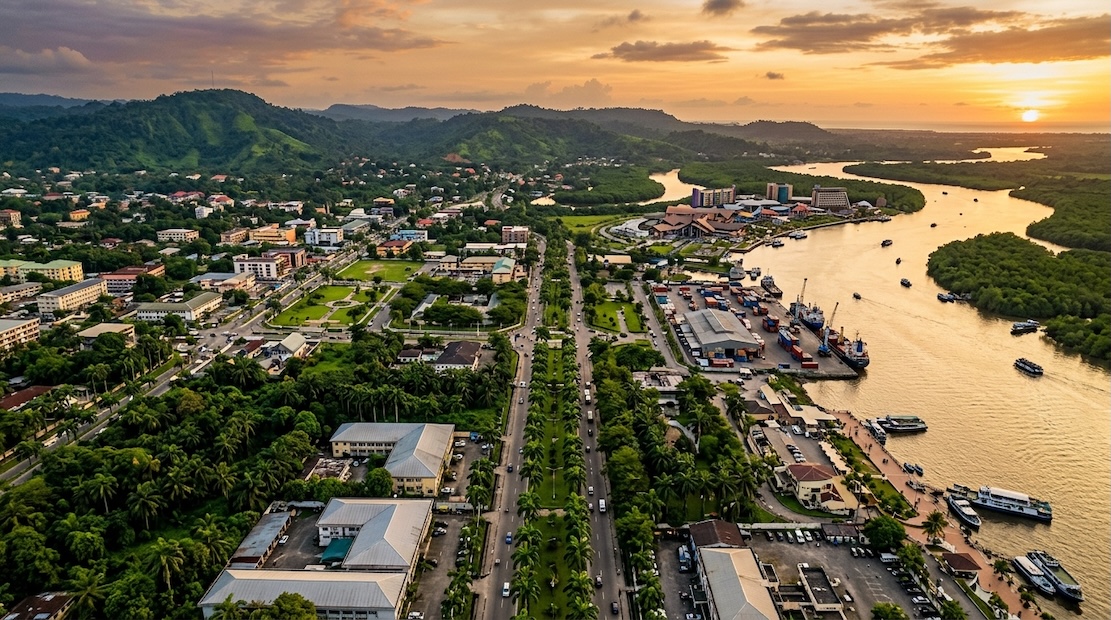
Calabar's historic waterfront
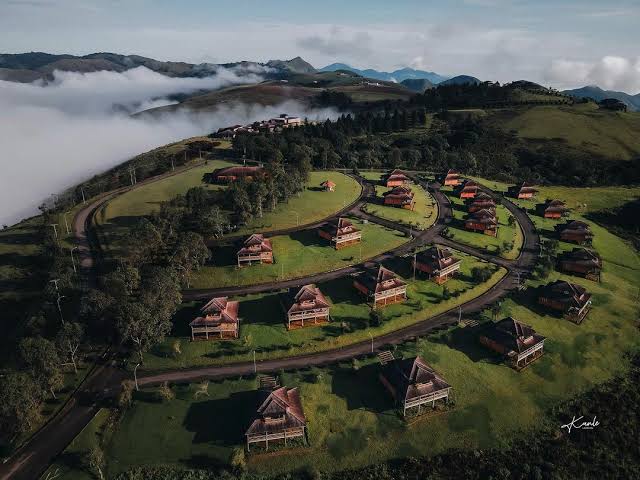
The Obudu highlands
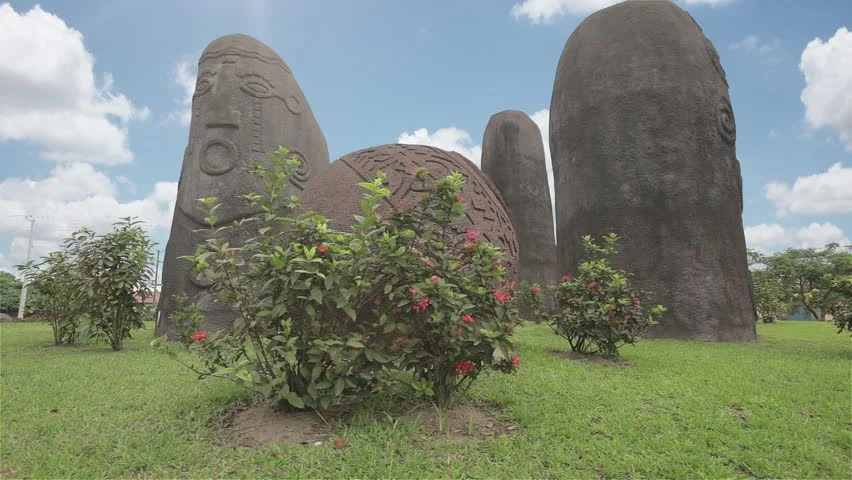
The Ikom monolith communities
These places connect history, livelihoods, tourism, and environmental conservation. They also remind us of the importance of protecting cultural landmarks, forests, and the communities whose histories are rooted in them.
Our Heritage Across the Diaspora
The story of AkwaCross extends beyond Nigeria.
During the Atlantic slave trade, people from the wider Bight of Biafra were forcibly transported to the Americas. The history of this trade must be remembered alongside the lives, cultures, and communities that people rebuilt despite violence and separation.
One documented cultural connection links Cross River-region Ekpe traditions with the Afro-Cuban Abakuá society, which developed its own distinct history in Cuba.
These connections form part of a wider story of African heritage, cultural adaptation, and diaspora identity.
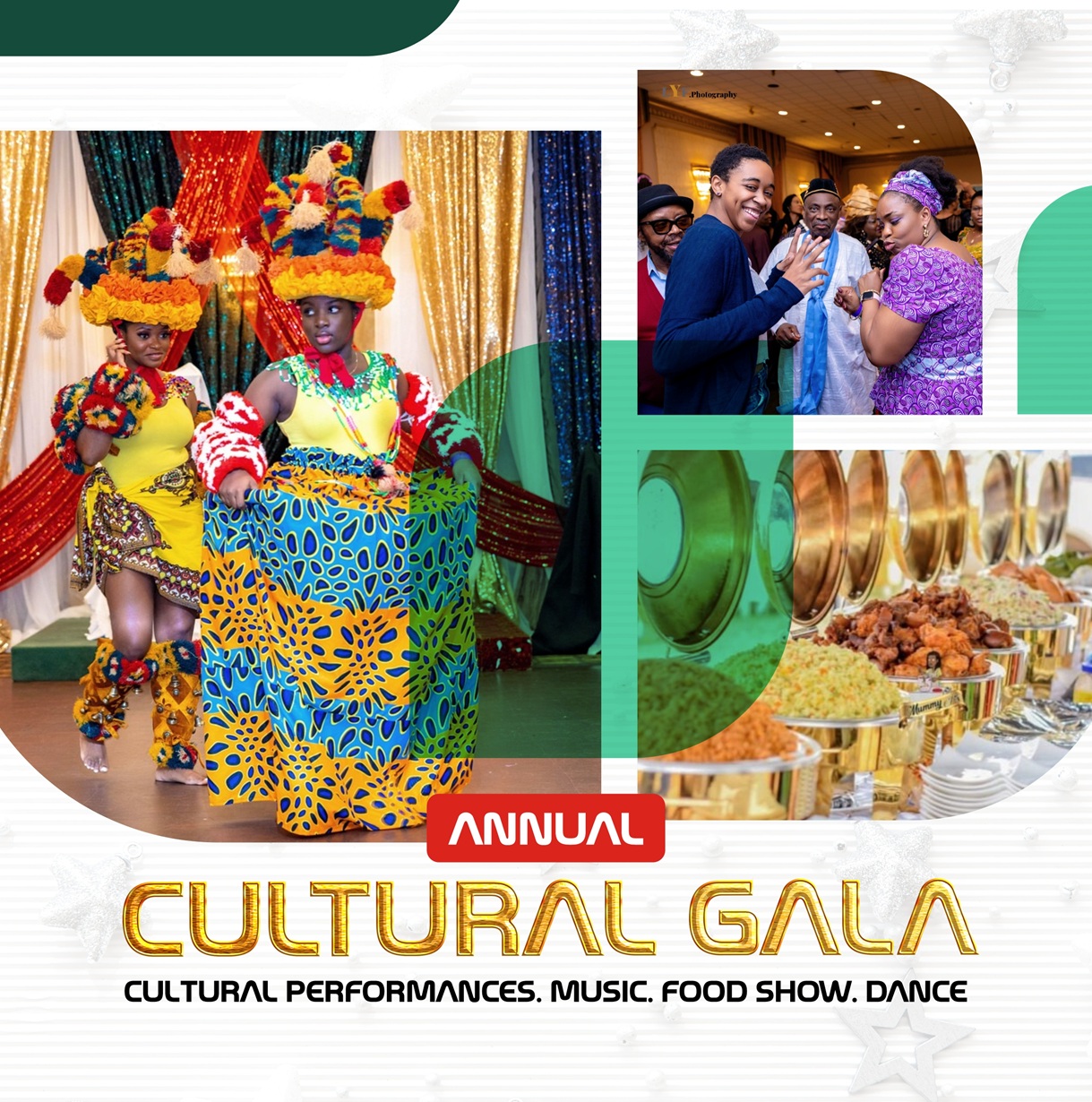
Today, families in Toronto and elsewhere continue to maintain connections to their roots through language, food, music, family stories, and community gatherings.
AkwaCross in Toronto: Keeping Our Heritage Alive
For the AkwaCross Toronto Cultural Association, preserving heritage means creating opportunities for people to learn, connect, and share their experiences.
A connection to Akwa Ibom or Cross River may begin with a language spoken at home, a familiar dish, a traditional celebration, or a story passed down by a grandparent.
These everyday experiences are part of a living history.
By bringing community members together and creating space for knowledge-sharing, we can help younger generations understand their heritage while encouraging meaningful connections between families and communities in Canada and Nigeria.
Your Story Is Part of Our History
Every family has memories worth preserving. Every generation has something to teach. Every community has a voice that contributes to the bigger picture.
Help keep the history of the AkwaCross peoples alive.
Our history is a shared journey told through many voices. We welcome community perspectives and attributed oral histories that help enrich this evolving record of AkwaCross heritage.